
You have probably seen both phrases on jewellery listings: "gold plated" and "gold vermeil". They sound similar. They look similar in photos. But the price difference can be ten times — and the difference between them is in the fine print. So gold plated vs gold vermeil — what are you actually paying for? This guide breaks it down honestly: what each term means, what each costs, and which one actually makes sense for everyday wear.
What "gold plated" actually means
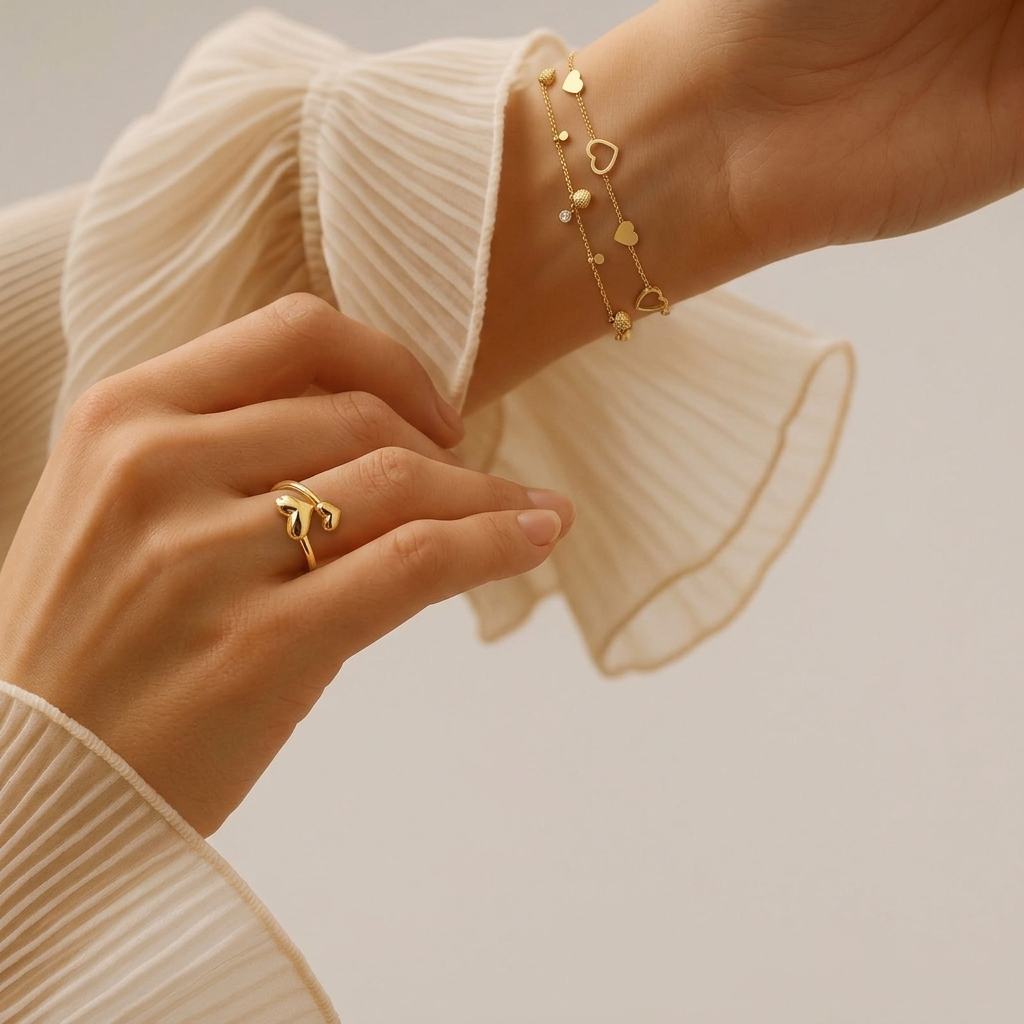
Gold plating is exactly what it sounds like: a layer of real gold applied over a base metal. But that one sentence hides the two things that matter — what is underneath, and how thick the gold is.
- The base metal. Cheap fashion jewellery plates gold over brass or copper, which react with sweat and darken fast. Quality everyday jewellery — like every Anisan piece — plates over 316L stainless steel, which forms its own protective layer and is designed to resist tarnish.
- The plating thickness. Cheap pieces use a "flash" coating — just enough gold to photograph well — that wears through in weeks. Good plated pieces use a proper, even gold layer that keeps its colour through months of daily wear.
So when a listing says "gold plated", the honest question is not whether it is plated — it is what is underneath and how much gold is on top. A ₹399 piece with named 316L steel underneath and proper plating is a genuinely different product from a ₹99 piece plated over brass, even if both photos look identical.
What "gold vermeil" actually means
Gold vermeil (pronounced "ver-MAY") is a specific, stricter version of gold plating with two requirements:
- The base must be sterling silver — not steel, not brass, not "alloy". Real vermeil is always gold over silver.
- The gold layer must be thick — the industry standard is at least 2.5 microns, several times thicker than ordinary flash plating.
That is why vermeil costs more: you are paying for a precious-metal base and a thicker gold layer. It wears longer, feels more substantial, and sits a step closer to fine jewellery. But it still has a plating — not solid gold — and it still needs the same gentle habits: perfume before jewellery, rinse after the pool, store dry. No honest brand promises plating lasts forever. Including the ones selling vermeil.
Gold plated vs gold vermeil — at a glance
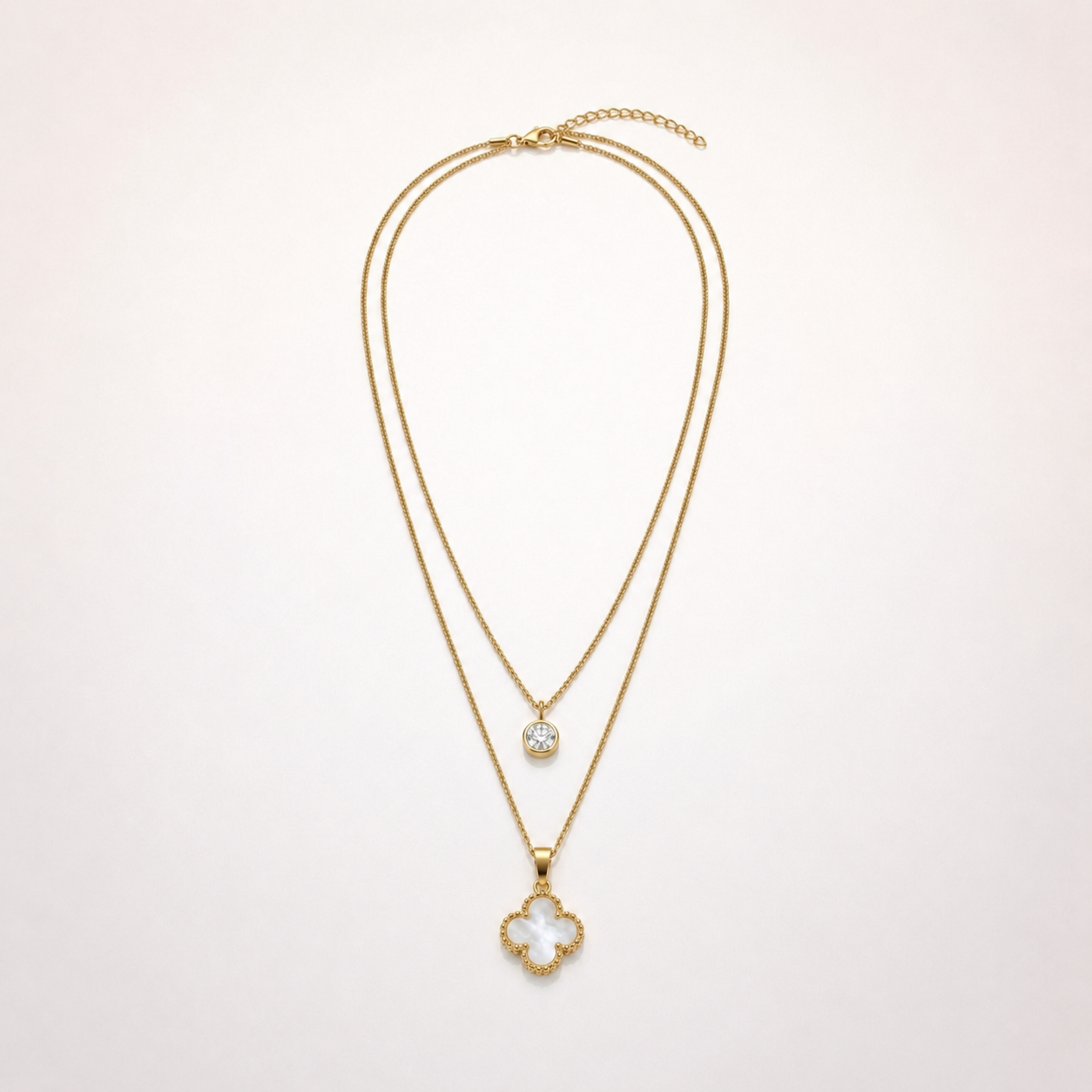
| Feature | Gold plated (316L steel base) | Gold vermeil |
|---|---|---|
| Base metal | 316L stainless steel | Sterling silver |
| Gold layer | Proper plating over steel | At least ~2.5 microns (thicker) |
| Typical price (India) | ₹349–₹849 | ₹2,000–₹8,000+ |
| Tarnish | Designed to resist tarnish | Silver base can tarnish if plating wears |
| Water & sweat | Water and sweat resistant | Handle gently; dry after wearing |
| Skin | Hypoallergenic, nickel-safe | Generally gentle |
| Best for | Everyday wear on a realistic budget | A step up — special pieces, gifting |
What are you actually paying for?
Strip away the marketing, and the price of any gold-toned piece comes down to three things:
- 1. The base metal. Brass costs almost nothing; 316L steel costs a little more; sterling silver costs real money. The base is the biggest reason vermeil costs ten times a steel piece.
- 2. The plating thickness. A flash coating is cheap; a proper, even plating layer takes more gold and more care. This is also the biggest reason two "gold plated" pieces can cost ₹99 and ₹499 — one of them is barely plated at all.
- 3. The design and brand. Honest pricing covers design, quality control, and packaging. Dishonest pricing covers the same piece as everyone else, just relabelled.
That is why ₹349–₹499 for gold-plated 316L jewellery is the honest middle: enough to cover a real steel base and real plating, without the precious-metal premium. And it is why you should be suspicious in both directions — ₹99 "gold plated" is almost certainly brass with a flash coating, and ₹2,000 "gold plated" on an unnamed base is just overpriced plating.
Which one should you buy?
A quick decision guide:
- ✅ Pick gold-plated 316L steel for everyday pieces — studs, pendants, bracelets you never take off. It is the lowest-effort way to wear gold tones daily: harder than silver, designed to resist tarnish, and priced between ₹349 and ₹849 at Anisan.
- ✅ Pick gold vermeil for pieces with a precious-metal feel — gifts, heirlooms-in-training, the one you want to feel weighty. Expect ₹2,000+ and give it the same gentle habits.
- ✅ Spot the fakes of both. "Gold vermeil" with an unnamed base is not vermeil. "Gold plated" at ₹99 is a flash coating over brass. In both cases, the rule is the same: if the base metal is not named, the claim is not a promise.
An honest note about Anisan: our pieces are gold-plated over 316L stainless steel — we do not sell vermeil, because our bet is that everyday jewellery should cost what everyday life costs. Real steel, real plating, honest prices — that is the whole formula.
Want gold tones you can wear every day?
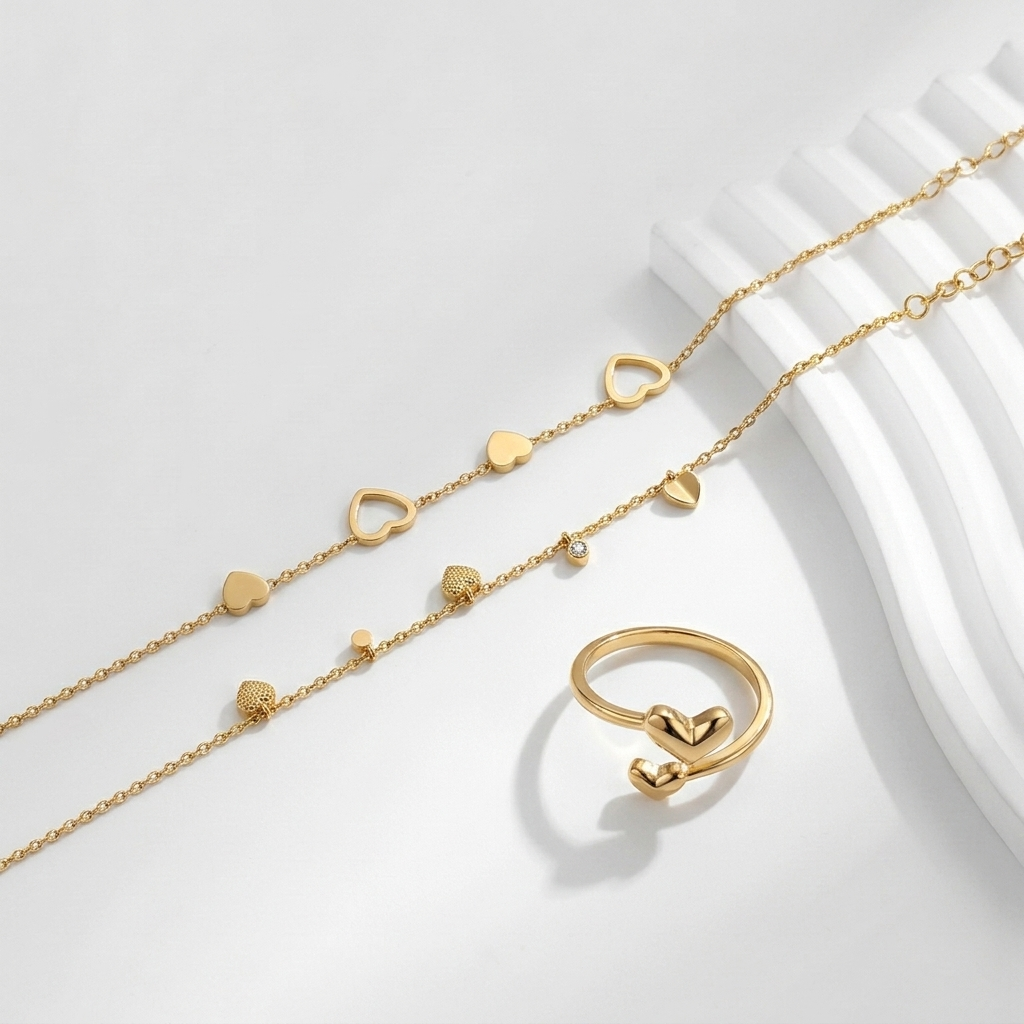
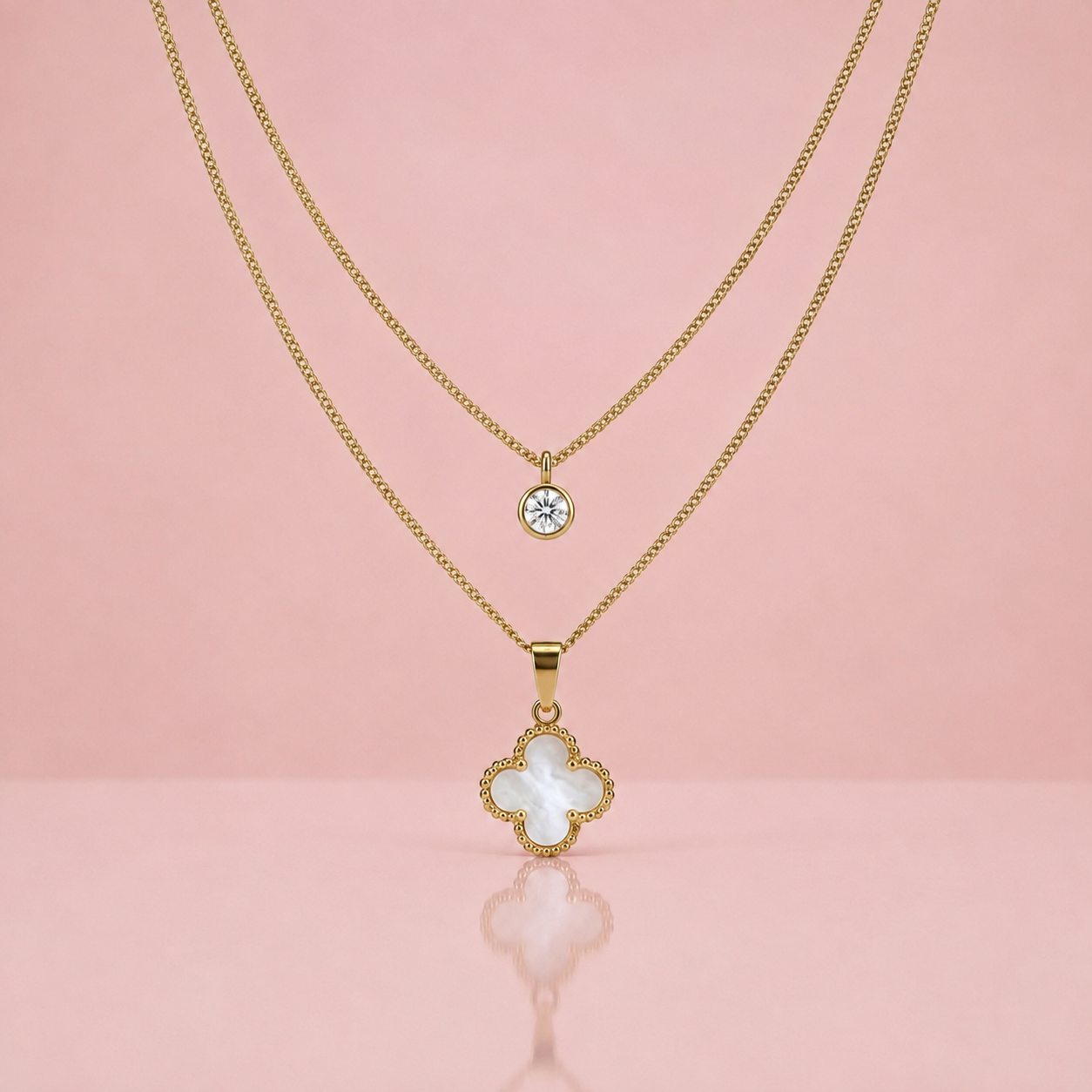
Gold-plated pieces on a 316L stainless steel base — designed to resist tarnish, water and sweat resistant, priced for real life.
Shop this look
Frequently asked questions
Is gold vermeil better than gold plated?
How can I tell if jewellery is really gold vermeil?
Will gold plating wear off?
Does Anisan sell gold vermeil?
Everyday jewellery that keeps up with you
316L stainless steel, anti-tarnish finish, skin-friendly — all under ₹500.